The TikTok Algorithm: How to Break It and Go Viral
Learn everything about the TikTok algorithm: what it is, how it works, and how to use it to your advantage and to get on the For You Page.


TikTok may seem like pure spontaneity from the outside — trends popping up overnight, creators going viral out of nowhere, and feeds that somehow always know exactly what you want to watch. But none of that happens by accident.
Behind the scenes, TikTok’s algorithm is constantly learning, predicting, and reshaping what shows up on everyone’s For You Page.
If you want your content to actually get seen, understanding how that system works isn’t just helpful — it’s essential.
In this guide, we’ll break down what truly influences the TikTok algorithm and the practical content strategies you can start using today to boost visibility and give your videos a real chance to take off. Let’s dive in.
Key takeaways
- What influences the TikTok algorithm? The TikTok algorithm prioritizes user interactions, video information, and account/device settings to match content with each user’s interests and maximize FYP relevance.
- What content strategies should you be leveraging to fit TikTok’s algorithm and increase visibility? Boost TikTok visibility by using emerging viral sounds early, optimizing videos and captions with TikTok SEO, engaging actively with your community, replicating high-performing content structures, studying competitor patterns, and making data-driven decisions to refine what you post.
What’s TikTok’s algorithm, and how does it work?
TikTok’s algorithm plays a crucial role in the platform’s For You Page (FYP), which blends content from creators you already follow with content from influencers that aren’t yet on your radar to keep you engaged.
The posts shown in the FYP aren’t random—the platform relies on a feedback-driven algorithm that learns about users’ preferences to show them content they’ll most likely enjoy.
More specifically, TikTok takes into account the content people previously interacted with, the location, language preferences, device settings, the accounts followed, and the type of content created before showing posts on the FYP.
The content that lands on the FYP also goes through a rigorous process. When creators roll out posts, they aren’t immediately shown to all of their followers. Instead, TikTok shows the posts to smaller audience segments where it measures initial engagement rates and user interactions.
If the content does well, the platform will then push it to the broader audience. TikTok will collect engagement data to accurately predict each user’s preferences and keep the FYP relevant.
Note: TikTok won’t consider your follower count, account age, or posting frequency when analyzing your content. Its paid advertisement platform also works independently from the organic content platform—investing in ads won’t boost organic reach.
What influences the TikTok algorithm?
Now that we know how TikTok’s algorithm works on a general level, let’s get into the details and see how it manages to match content with the users’ preferences so precisely.
User interactions
Much like Instagram, TikTok keeps a close eye on how people interact with different posts to figure out which type of content they find most appealing.
More specifically, it monitors the comments, shares, and likes, as well as the posts added to favorites and the creators they follow. The platform also considers watch times and video rewatches to identify the content they’re most interested in.
TikTok also takes the time to understand the content users don’t like to ensure a highly engaging and unique FYP. It monitors the videos they skip or mark as “Not Interested”, and the creators they hide.
Video information
The algorithm of TikTok also monitors the content itself so it can send it to relevant audiences. It analyzes captions to identify keywords that indicate the main topic of the post and hashtags to categorize it accordingly and further understand its context, as well as audio tracks.
Including trending songs will make the algorithm put your content in front of a larger audience.
Account and device settings
TikTok also takes into account language preferences, posting location, and the type of device used when browsing the platform.
For instance, you’re more likely to see content from creators within the same country as you or who speak the same language.
However, this factor is not as important as the others mentioned above—it prioritizes ongoing user behavior over one-time settings.
What content strategies should you be leveraging to fit TikTok’s algorithm and increase visibility?
Pick viral sounds before they trend
If you’re grabbing sounds after they flood your FYP, you’re already late. TikTok moves faster than gossip in a high school hallway. The sweet spot is when a sound feels familiar enough to catch on but hasn’t yet turned into that thing everyone scrolls past with an eye-roll.
Spend five minutes a day browsing creators with tiny but mighty accounts. They’re accidental trendsetters. They stumble upon sounds before the big creators devour them, and that’s where the gold usually sits, awkward and unnoticed.
Apply TikTok SEO best practices
TikTok has quietly become a search engine. People type things like “best moisturizer for dry skin” or “gym outfit ideas” and expect TikTok to deliver answers with the enthusiasm of a friend who doom-scrolls at 2 AM.
How TikTok reads captions
Captions are no longer a cute accessory; they’re data. TikTok reads them looking for signals, keywords, recurring phrases, and context. Even a short caption can carry a ton of ranking weight if it’s intentional.
TikTok listens too—literally. Saying keywords out loud in the video counts. So do on-screen text, voiceovers, and those random mid-sentence phrases creators throw in without realizing they’re training the algorithm.
Longer captions help TikTok understand who should see your video. Not paragraphs of fluff, more like giving the algorithm enough breadcrumbs to know where to send your content next.
TikTok’s SERP (search results page) ranks content based on clarity, relevance, and whether viewers actually stay and watch. Think less “keyword stuffing” and more “speak the way people search.”
Engage with your community
Talking at people doesn’t work anymore. TikTok wants conversations, chaos, and little back-and-forths that feel alive.
Respond to comments and duets for growth. Replies and duets are algorithmic espresso shots. They spark fresh watch time, turn comment sections into tiny ecosystems, and tell TikTok, “Hey, people care about this—send more.”
When a creator riffs on your point, duet them. When someone leaves a spicy comment, reply with a video. This isn’t customer service; it’s fuel.
Replicate successful content’s recipes
Every niche has its creators who make things look suspiciously easy. The ones who always know how to open a video, where to place tension, when to twist the narrative, and how to drop a joke that lands even if their mic is terrible.
Study their pacing. Their structure. The little emotional beats. You’re not copying, you’re reverse-engineering the music behind their storytelling and remixing it.
Research what works for your competitors
Competitors leave clues everywhere, usually without noticing. Watch how they pace their videos. How fast they cut scenes. Whether they open with chaos or calm. Their hooks. Their endings.
Sometimes you’ll find patterns you didn’t expect, like a competitor suddenly going viral whenever they film in their car at night. Odd? Yes. Valuable? Also yes.
Pay attention to the weird things. TikTok loves weird.
Make data-backed decisions
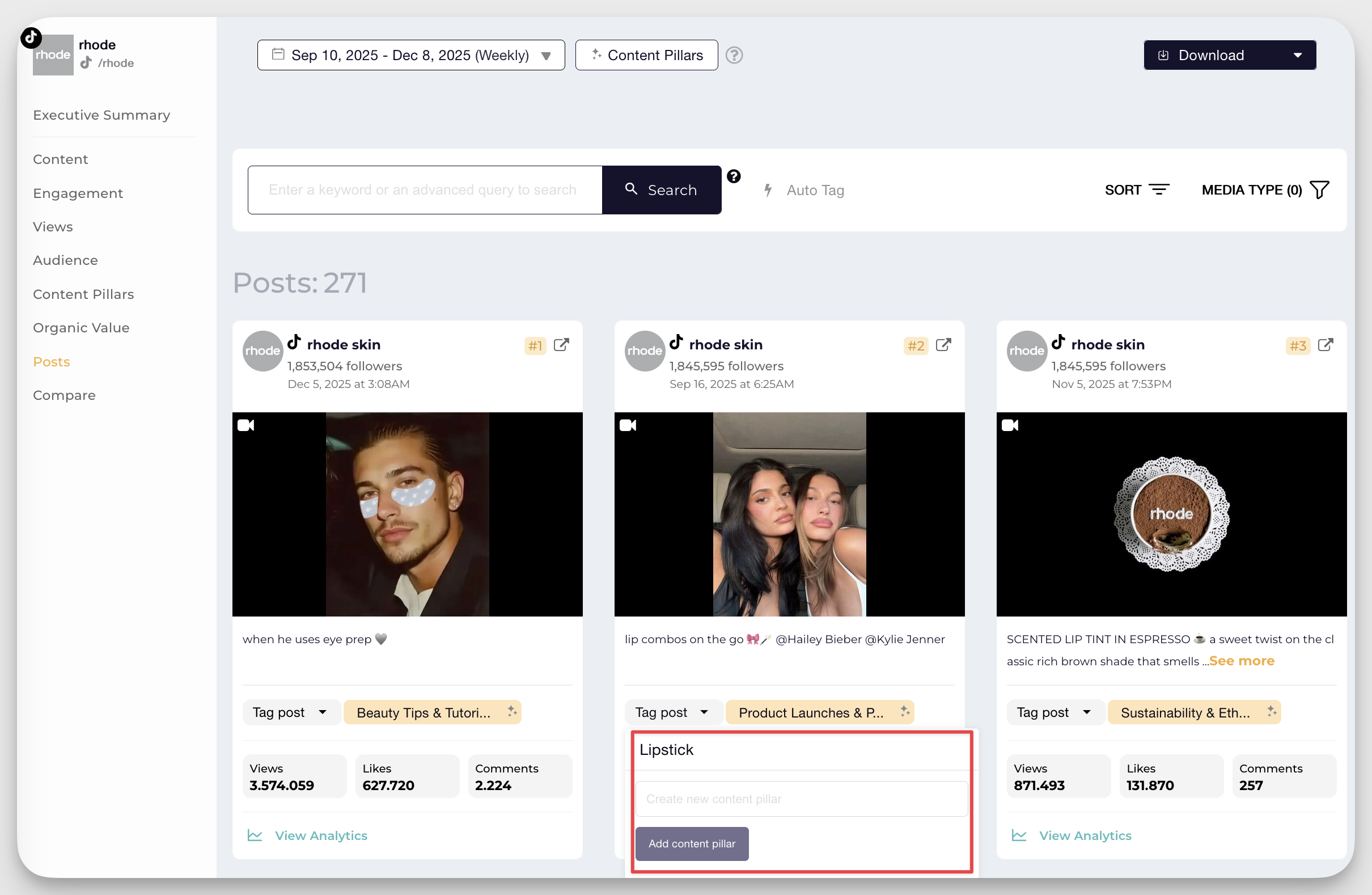
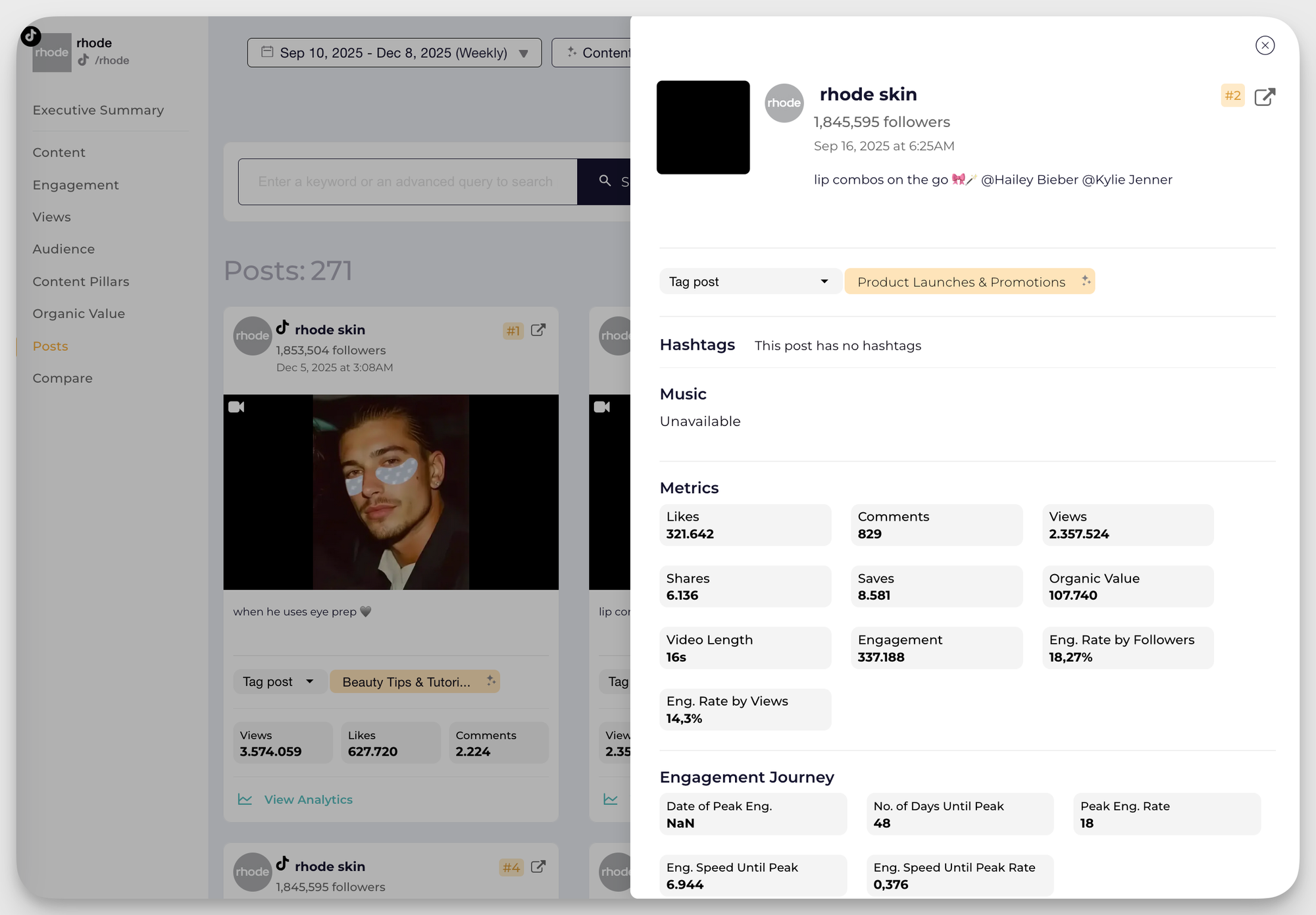
Your gut is great for brunch decisions, but TikTok rewards numbers. Look at your content pillars and ask which ones actually earn watch time. Which ones spark rewatches? Which ones do people save “for later” but probably never open again?
Check the average video length that performs well for your niche. Sometimes, 6-second chaotic bursts win. Sometimes 22-second micro-stories do the job. The data will tell you, and it’s usually brutally honest.
Final thoughts
At the end of the day, winning the TikTok algorithm’s favor is all about posting user-centric content and actively engaging with your community.
Make sure you thoroughly research your target audience, learn what your follower base likes, attract its attention, and use that information to create highly engaging videos.
FAQs about TikTok’s algorithm
How to beat the TikTok algorithm?
It all boils down to three key elements: authenticity, relevancy, and effective content formats.
Again, don’t appear too professional—you want to humanize your brand and make it part of the community. As such, don’t go overboard with video production and focus on genuine content that triggers positive emotions within your viewers to maximize engagement.
As for relevancy, leverage trending topics to boost your reach. Leverage Socialinsider’s TikTok analytics tool along with TikTok’s Trend Discovery tool to identify popular hashtags and uncover the latest trends.
In terms of content format, keep things short and sweet—no longer than 15 seconds for the best results. Capture the audience’s attention as fast as possible with a strong hook, then state your point right away.
Anutei Horea-Matei
Digital marketing enthusiast, language nerd, and content writer. Horea loves writing about SaaS and anything that involves boosting online presence – from SEO to social media, web design, and more.
Know what your competitors do — before your manager asks
Get instant social benchmarks & reports without manual work.